

Published Date:
12 June 2008
By Jerome Starkey
in Kabul
A DRUGS haul unearthed by Afghan commandoes, working with their British counterparts in the Special Boat Service, was so large that RAF Harrier jump jets were called in to bomb it, it emerged yesterday.
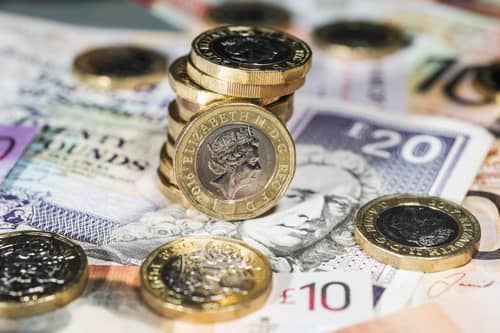
The crack teams discovered 236.8 tons of cannabis buried in vast trenches in the desert. The drugs had a minimum street value of £225 million, and weighed more than 30 double-decker buses, officials said.
Lieutenant General Abdul Hadi Khalid, Afghanistan's deputy interior minister, said: "This is a new world record in the global war on drugs."
The haul was almost three times bigger, by volume, than the previous world record, said to have been set by Colombian police when they seized 80 tons of cocaine, Nato sources said.
Hundreds of grain sacks, stuffed full of hashish, were hidden deep inside six trenches, spread over an area the size of two football pitches.
The trenches were covered with sand, making them almost impossible to spot from the air, with entrances concealed with dried twigs and brush.
British fighter jets were called in from nearby Kandahar Airfield to smash open the underground stores. A Nato spokesman said the planes dropped three 1,000lb bombs on the trenches, before troops from the commando unit known as 333 doused the wreckage with petrol and set them alight.
The Afghan commandos, who share a base with British special forces, discovered the drugs on 9 June, as part of an operation codenamed Albatross II.
Officials believe it was a massive cannabis factory where drug dealers were turning dried cannabis leaves into resin.
The troops arrested three people at the site and seized binoculars, a satellite phone and a Kalashnikov assault rifle.
The trenches, which appeared to have been made by mechanical diggers, were spread in pairs, close to a major border crossing called Spin Boldak, which links Kandahar, in Afghanistan, with Quetta, the Taleban's capital-in-exile, in Pakistan.
Officials suspect the drugs were owned by criminal gangs, rather than insurgents, but Nato said the Taleban could have skimmed up to £7 million in taxes from the haul.
The cannabis was stored in sacks and neatly stacked along the walls of the trenches. Each bag was labelled with the date and place of manufacture.
Lt Gen Khalid said two of the men arrested at the scene were Afghans and one was from Pakistan.
The raid was one in a series of strikes against narcotics labs across southern Afghanistan last week. In a separate operation on June 4 – codenamed Operation Badgers – the commandos arrested 13 smugglers, and seized more than 2.5 tons of opium, worth £15 million.
The elite Afghan 333 sabre team, backed by SBS commandos, killed three insurgents in the raid and seized three sniper rifles, 15 Kalashnikovs, three shotguns, a rocket propelled grenade and a light anti-aircraft gun, military sources revealed.
A day later they hit a second heroin lab, killing one insurgent, arresting three and confiscating £600,000 worth of wet opium. One insurgent was killed and 23 Kalashnikovs were recovered.
Nato-troops do not normally conduct counter-narcotics operations, but the raid comes after a top US general warned he would take his mandate "to the limit" to tackle the country's drug trade.
General David McKiernan, the American soldier in charge of Nato troops in Afghanistan, praised Afghanistan's police. He said: "They have many reasons to be proud this day." He said they had made a huge step forward in proving Afghanistan's capability to curb the tide of illegal drugs.
Garrison Courtney, a spokesman for the US Drug Enforcement Agency, said he thought the drug bust was the world's largest in terms of weight, calling it "pretty huge".
Opium, rather than hashish, is Afghanistan's biggest drug problem. The country produced 9,000 tons last year, enough to make 880 tons of heroin – 93 per cent of the world's supply.
But officials have increased warnings that farmers who no longer grow opium poppies because of successful eradication programmes have turned their fields to cannabis, the plant used to produce hashish and marijuana, giving the country a second drug problem to contend with.
IN NUMBERS
5 million
Ecstasy tablets seized in Melbourne in 2005 were claimed as the largest haul of street-ready tablets in the world, worth £120 million.
9 tons
of cannabis resin was seized by Vietnamese police last month in the largest drug haul in its history. Found in 400 cartons covered by jeans, en route from Pakistan to China, it was estimated to have a street value of £45 million.
38,000lb
of cocaine was seized by US Coast Guard officers who boarded a 330ft ship off the Pacific coast of Panama in 2007. It was the largest single sea-based seizure of cocaine by a US agency, with an estimated street value of £250 million.
£161 billion
the retail value of the illegal drugs trade worldwide, according to the 2005 United Nations World Drug Report. The illicit drug market in the United Kingdom has been valued at £8 billion.
The full article contains 846 words and appears in The Scotsman newspaper.
-
Last Updated:
11 June 2008 10:10 PM
-
Source:
The Scotsman
-
Location:
Edinburgh
-
Related Topics:
Afghanistan
,
British armed forces