














Help Sitemap Home Skip Navigation Contact Us Disability Statement


Pinochet's execution squads ready to testify on atrocities

Click on thumbnail to view image

Published Date: 02 November 2009
HUNDREDS of former military conscripts are making a provocative offer to Chile's government. They will reveal details of crimes committed by General Augusto Pinochet's dictatorship – but only if their safety is guaranteed.

The conscripts fear that if they reveal where the bodies are buried, they will face prosecution by the courts or retaliation by the superiors who ordered them decades ago to torture and kill political prisoners.

The information they once promised
to carry to their graves has become both a heavy psychological burden and a bargaining chip. By offering confessions, the former soldiers hope to improve their chances of securing benefits from pensions to psychological treatment.

"We were executors and witnesses of many brutalities and now we're willing to talk about them for our own personal redemption," said former soldier Fernando Mellado, who organised a meeting yesterday of former conscripts outside Chile's presidential palace.

"So if there is any opportunity in which we can testify, maybe anonymously, then we'd be happy to oblige."

Mr Mellado leads the Santiago chapter of the Former Soldiers of 1973 and has been working with similar groups across Chile to work out whether and how to turn over the information.

Of the 8,000 people conscripted as teenagers from Santiago alone in the tumultuous year when Pinochet overthrew Salvador Allende's government and cemented his hold on power, Mr Mellado believes "between 20 and 30 per cent are willing to talk".

Chilean security forces killed 3,186 people during the dictatorship, including 1,197 who were made to disappear, according to an official count.

In nearly two decades of democracy since then, fewer than 8 per cent of the disappeared have been found, said Viviana Diaz of the Assembly of Family Members of the Disappeared Detainees. Hundreds of recovered remains, some just bone fragments, have yet to be identified. Only those who buried the bodies know where other common graves lie.

Ms Diaz hopes the former soldiers start talking, even if they do so outside the courts. "People have come to us and all we tell them is, 'It doesn't matter that you don't reveal your identity, just tell us the location."'

Chilean law allows for a "just following orders" defence for former soldiers who submit to the mercy of the courts, naming names and providing information that could help resolve some of the thousands of crimes committed under Pinochet's 1973-1990 rule.

But most former soldiers fear the consequences for themselves and their families. Some worry that judges who rose through the ranks under Pinochet might protect their former officers instead.

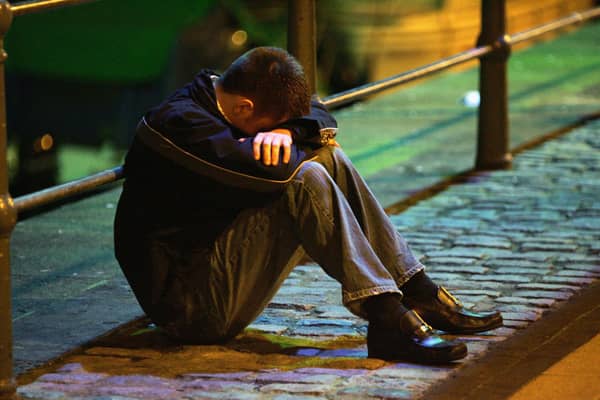
One confessed to shooting an entire family. Another – now an alcoholic who sleeps in the street in Santiago – said he was forced to drown a seven-year-old boy in a barrel of hardening plaster.

"Our mission was to stand guard outside, and listen to their screams," said former conscript Jose Paredes, who described his service at the Tejas Verdes torture centre. "They would end up destroyed, torn apart, their teeth and faces broken."


Page 1 of 1

  • Last Updated: 01 November 2009 10:24 PM
  • Source: The Scotsman
  • Location: Edinburgh


Sister Newspapers:
Press Complaints Commission

This website and its associated newspaper adheres to the Press Complaints Commission’s Code of Practice. If you have a complaint about editorial content which relates to inaccuracy or intrusion, then contact the Editor by clicking here.

If you remain dissatisfied with the response provided then you can contact the PCC by clicking here.