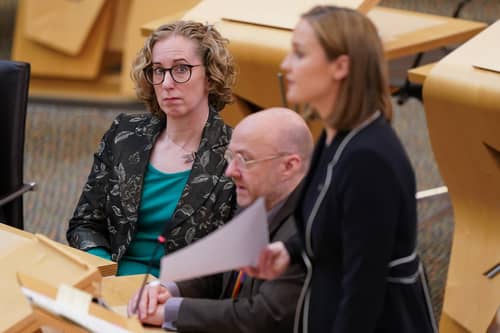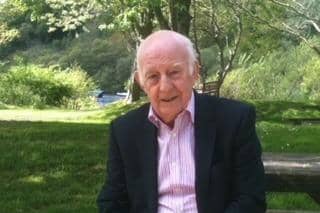














COUNCILLOR Cardownie is Edinburgh's festivals and events champion. The city council is concerned about the impact a "breakaway" comedy festival will have on the Fringe.

What are the main concerns about the new Edinburgh Comedy Festival?
The main motivation of those involved seems to be generating profit. We have to look at the much wider picture.
The council has much wider concerns to do with the potential dam
age it might do to the Fringe, in terms of how it might affect other venues, the problems it might cause on the ability of other festivals and venues to raise sponsorship, and what the impact might be to drama on the Fringe.
What has the council done to address its concerns so far?
The council hasn't taken a formal position as an administration, and we're not actively considering cancelling the leases on any venues, although that is something that could happen in the future.
I have expressed my own concerns after the issue was raised by a number of people involved with the Fringe.
What action is the council proposing to take at the moment?
In terms of this year, we will be closely monitoring the impact the new comedy festival has on the Fringe on a number of fronts.
One of our senior officials will be asked to produce a report after the Fringe, which the council will discuss and take a position on. It is very much something we've been watching closely over the summer.
Is controversy over the new comedy festival damaging the Fringe?
These kind of controversies come up every year and are very much part and parcel of the Fringe. People are always predicting the demise of the Fringe. It wasn't the council that created the controversy; we are simply responding to it.
Everyone is entitled to their opinion, whether it be the proposals for a bed tax, or whether this comedy festival is a good thing or not.
Comments: We are experiencing technical difficulties which mean some visitors to scotsman.com may be unable to post a message on our comment threads. Our digital support team is working to resolve this problem. Apologies for the interruption in service.
The full article contains 366 words and appears in The Scotsman newspaper.