















Help Sitemap Home Skip Navigation Contact Us Disability Statement


T in the Park

Premium Article !

Your account has been frozen. For your available options click the below button.

Options

Premium Article !

To read this article in full you must have registered and have a Premium Content Subscription with the Scotland On Sunday site.

Subscribe

Registered Article !

To read this article in full you must be registered with the site.

Modern life's pressures put pets on Prozac


Click on thumbnail to view image

Published Date: 24 February 2008
PROZAC was certainly was not on Dr Doolittle's list of remedies. But increasing numbers of pets are being given anti-depressants to help them cope with the strain of 21st century life, not least the tendency for many hard-working owners to leave animals on their own for hours.


Morose Macaws and stressed Spaniels are being prescribed mood-enhancing drugs to contain their distressed and anxious behaviour.

A leading Scottish animal expert claims increasing numbers of pets are being given Prozac and similar remedies to help
them overcome symptoms of deep depression.

TV vet Romain Pizzi has revealed that tropical birds are by far the most likely to be treated for psychological difficulties.

The director of Edinburgh-based Zoological Medicine said: "Contrary to some peoples' expectations parrots are very intelligent and sensitive animals. Typically if people go out to work all day their parrot will get very bored and frustrated and eventually develop depression.

"Symptoms often include plucking out their feathers or self-harming, which is obviously very dangerous."

Pizzi, who presents Creature Clinic on BBC3 and is a specialist in zoo and wildlife medicine for the Royal College of Veterinary Surgeons, said Prozac was prescribed in the most extreme cases.

"Firstly we will change the environment of the animal and make sure it has more stimulation and toys. When we have ruled everything out underlying medical problems, we try to break the cycle by using Prozac.

"When Cockatoos in particular are depressed they can start to self-mutilate and peck their own legs to the bone."

Pizzi added: "The Prozac is given to parrots in liquid form, which is often flavoured.

"It doesn't cure all animals, but around two-thirds respond to the treatment. In a small number of cases things will go well until we wean them off the Prozac and the problems return."

Pizzi said the number of birds requiring anti-depressants was still relatively small but was rising year on year.

"Unfortunately, there is a big proportion of people who buy these birds because they are pretty and they talk. They are not thinking it through in terms of their lifestyle. Parrots require a lot of care and stimulation."

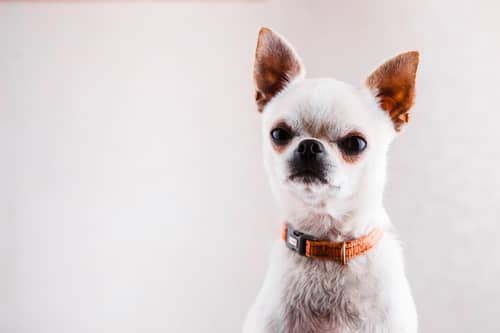
Dogs and cats also suffer from stress and separation anxieties that require medication.

Research for Sainsbury's Bank indicated that as many as 632,000 cats and dogs in the UK suffer from depression. Symptoms include attacking furniture, loss of appetite, incessant scratching and aggression.

"A dog can't sit on the couch and discuss his worries but he can howl the house down, chase his tail or chew everything to pieces," said vet and small animal specialist Mark Johnston.

Last year the makers of Prozac launched their first anti- depressant for dogs – a once-a-day chewable tablet flavoured with beef. The reformulated version of the drug, branded as Reconcile, can be taken by puppies as young as six months.

US pharmaceutical firm Eli Lilly claims the drug significantly reduces the symptoms of separation anxiety in dogs.

New York-based Pfizer has also created Slentrol, a diet drug for dogs, and Cerenia, a motion-sickness remedy for pets.


The full article contains 527 words and appears in Scotland On Sunday newspaper.
Page 1 of 1

  • Last Updated: 23 February 2008 7:06 PM
  • Source: Scotland On Sunday
  • Location: Scotland
 
1

ex-labour,

24/02/2008 16:57:03
A very clever piece of advertising by Eli Lilly. What's next? A new baby brand for 'separation anxiety'? Catch them early, keep them for life. What a bunch of sickos.


Comment on this Story


In order to post comments you must Register or Sign In


Sister Newspapers:
Press Complaints Commission

This website and its associated newspaper adheres to the Press Complaints Commission’s Code of Practice. If you have a complaint about editorial content which relates to inaccuracy or intrusion, then contact the Editor by clicking here.

If you remain dissatisfied with the response provided then you can contact the PCC by clicking here.