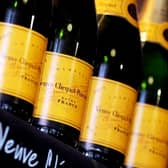










SUPERMARKETS and corner shops now account for almost a third of all alcohol sold in Scotland, compared with only a fifth 25 years ago, according to the beer industry. Forty-one per cent of Britain's beer is now bought in shops and supermarkets, compared to 33 per cent in 2000 and 30 per cent in 1986.

The shift away from bars has been driven by loss-leading supermarket prices – which have left beer cheaper than water – and the smoking ban, which has led to more consumers drinking at home.
Asda recently slashed the price of its own value-brand
beer to just 22p for a 440ml can following similar moves from Tesco and Sainsbury's. It puts the price of beer at 50p a litre (around 28p a pint). Own-brand water costs between 56p and 92p a litre, depending on the store, while own-brand cola costs between 56p to 65p a litre.
The difference between "on-trade" pub and "off-trade" shop-shelf prices is now so wide that it would be cheaper for many pub owners to buy their alcohol in supermarkets than from their own suppliers.
TNS World Panel, a market research firm, said Scots spent £138.8 million on alcohol from supermarkets and off-licences in the run-up to Christmas and New Year last year.
Supermarkets often sell beer and wine cheaply in order to attract lucrative grocery shoppers, but village shops and convenience stores rely on the income from alcohol sales for their survival. According to the Association of Convenience Stores, beer, wine and spirits account for 14 per cent of smaller shops' profits and 18 per cent of their sales.
In 2005, off-sales licences in Scotland accounted for more than a third of the 17,059 liquor licences in Scotland. Of those, smaller shops accounted for 44 per cent, supermarkets 9 per cent and garages 2 per cent. In 2004, off-licence alcohol sales were broken down as 28 per cent beer, 44 per cent wine (including fortified wine), 22 per cent spirits, 3 per cent cider, and 3 per cent alcopops. Lager dominates the UK beer off-sales market, with Stella Artois, Carling and Foster's the top three brands.
The trend worries alcohol campaigners because more than half of under-age drinkers get their alcohol from shops and supermarkets. Half of all vodka drinkers in Britain are aged under 35, and Scottish off-trade sales of vodka are rising at a rate of about 6 per cent a year.
Lager dominates the take-home market, with a 74 per cent share (up 1 per cent) of all beer and cider sold in 2005.
The full article contains 452 words and appears in The Scotsman newspaper.