








EVER since I was a small child, I have been captivated by the incredible diversity, beauty and fantastic complexity of the natural world.

There was no particular damascene moment when this began. It has, rather, been more of a constant – something that's always been there giving continual, simple enjoyment in the midst of comparative transience.
Birds were always the most obvious ma
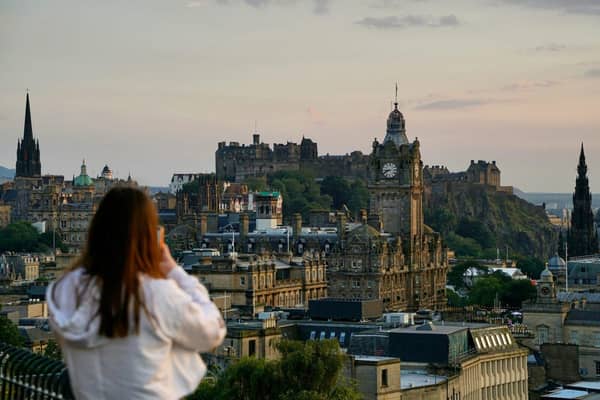
nifestation of this: right on my doorstep, immediate, accessible and easy to engage with. I remember my parents taking me to Duddingston Loch to see the ducks or to Aberlady to watch the waders on the mudflats. This interest has been nurtured and supported in no small part through my membership of the RSPB. I have supported them for several decades now, both through my membership, but also by becoming involved on the board of trustees and chairing the conservation committee – which is their main policy-making arm.
So, it is an enormous privilege to now be elected as chair of the organisation's trustees, particularly at a time when we face some great challenges to the environment. Not least among these is the current economic crisis facing us all. RSPB is, of course, a charity, and receives 80 per cent of its income from donations, subscriptions and legacies. The trustees are responsible for how this money is spent and ensuring that the nature reserves are looked after to benefit wildlife, conservation and people. Only with a continued income stream can we do this, yet we are facing some of the most difficult economic times of a generation.
One of the main accusations often levelled at RSPB is that it is a rich organisation. However, despite an annual turnover of £100 million, this is not the case. For every pound received, 89 pence is spent on direct conservation work within just two months of it going into our bank account. We do not have any large financial reserves, so we need our loyal and generous supporters to continue giving in order for us to keep doing our work for conservation. If the money stops coming in, then our work stops in just eight weeks.
It is these donations that give us our mandate. In Scotland, 78,000 members (1.1 million across the UK) of RSPB want to see nature conservation delivered, and this sends a powerful message to government in Scotland and the UK, showing they must listen to the voices of our members and the importance the public place on caring for the natural world.
Without this public support, helping to secure the future of our most endangered birds would not be possible. Our supporters' generosity has enabled inspiring projects to bring some of our most iconic wildlife spectacles back from local extinction. Pretty soon we hope that these majestic birds will start to occupy vacant habitats closer to towns and cities, on our Firths and rivers, where people will be able to see them much more easily.
But we will not be able to save birds like the capercaillie, corncrake, black grouse, chough, corn bunting, hen harrier and lapwing without making sure that their habitats are in the best of health. It requires investment and the help of farmers, foresters and landowners.
Few species will be saved by the RSPB or other conservation organisations purchasing small, isolated and unlinked pieces of land. We must expand our vision of what a nature reserve is, looking to create much bigger and bolder areas of habitat that are more able to look after themselves, resilient in the face of climate change and other impacts. We need functioning ecosystems that regenerate in order to support biodiversity and are able to withstand nature's shocks.
This vision will be a real challenge, but one that will put Scotland on the global map, displaying to the world the spectacular wildlife glories that we host and routinely take for granted. The most important aspect of this vision is the inclusion of people.
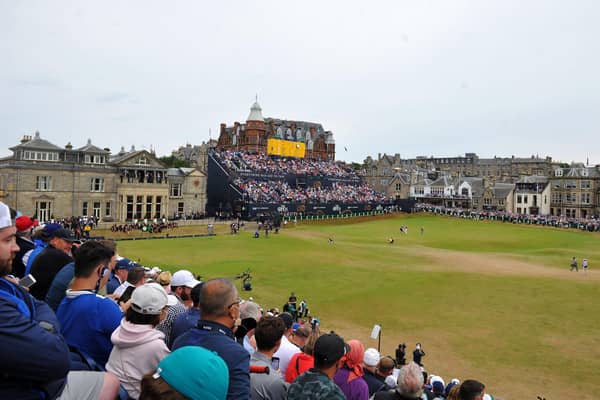
Delivering these ambitions in tandem with truly sustainable development is not some fairytale dream outside the realms of reality. After all, the present government has stated two of its five main strategic goals are to make Scotland both wealthier and greener. This is why it was so terribly disappointing when the cabinet approved the application by Donald Trump to build a golf, hotel and housing complex on the coast north of Aberdeen, allowing him to destroy a legally-protected Site of Special Scientific Interest.
The saddest part of the decision is that it didn't have to happen that way. RSPB offered a real alternative, having commissioned a respected golf course designer to come up with a different layout on the site which avoided the most sensitive land and all the precious geology and species it supports. All the investment, infrastructure and promised jobs could have been garnered without this needless destruction. Instead, we now have a question mark hanging over our wider network of protected sites, with no guarantee from the government that this decision does not set a dangerous precedent.
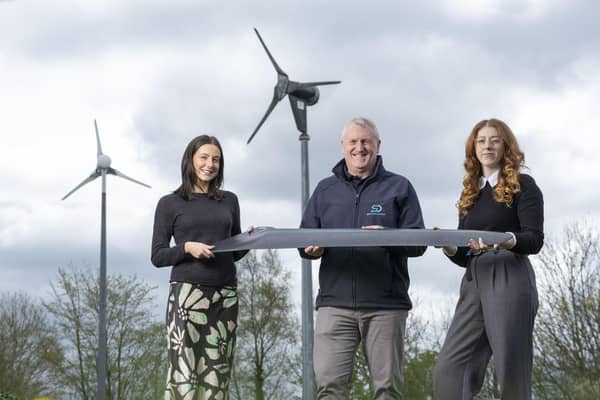
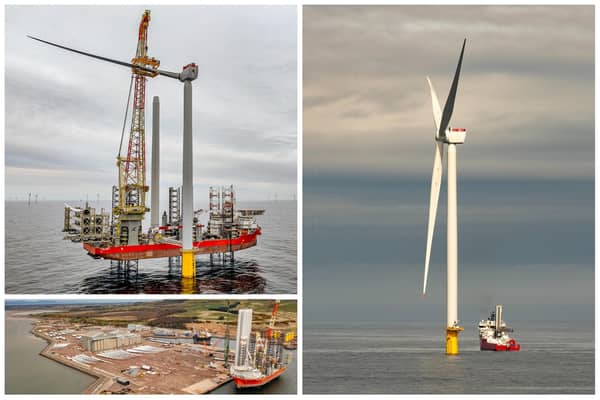
Overshadowing and influencing all of these difficulties is perhaps the greatest challenge of all – climate change. The government has been bold, and should be congratulated for setting targets of reducing carbon emissions by 80 per cent by 2050. It will be an immense task to achieve this. We must, however, make sure that these targets are met in a sustainable way, getting renewable sources of energy generation in the right place so that the very habitats and landscapes that renewables will help protect from the threats of climate change are not compromised.
Ian Darling is chairman of RSPB's council of trustees.
The full article contains 947 words and appears in Edinburgh Evening News newspaper.