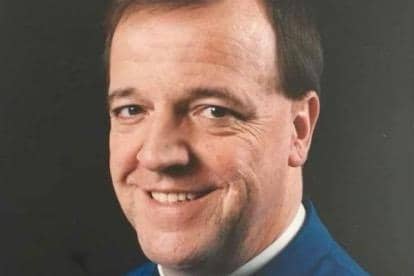

DAVID Ogston gave selfless service to a variety of churches during his ministry, but he is principally associated with the historic kirk of St John's in Perth. When he was appointed there in 1980, Ogston was the youngest man to have held the post in nearly 800 years and it was a post he filled with dignity and spiritual grace for more than 25 years.
Born: 25 March, 1945, in Ellon. Died: 23 September, 2008, in Perth, aged 63.
He involved himself with much of the work throughout the Fair City, was associated with the Perth Festival and was an enthusiastic supporter of the performances in St Joh
n's. He also campaigned in the various fund-raising projects necessary to preserve the fabric of the old kirk.
David Ogston was born into a farming family in Aberdeenshire and after Inverurie Academy he took degrees in divinity and the arts at Aberdeen University. In 1969 he was appointed assistant minister to Dr Harry Whitley at the High Kirk of St Giles. It was a challenging period, especially in the interregnum period after Dr Whitely's retirement, when Ogston's responsibilities increased considerably.
In 1973 he was given his first charge, at Balerno Parish. For five years he served the parish and is fondly remembered for his work on both a pastoral and personal level. As the parish history recounts: "He was a very modest man, with real talents as a communicator of the Gospel in his parish and in the media. He combined an ability to relate to all kinds and conditions of people and was well matched to the needs of Balerno in the Seventies."
Ian Falconer, who was then the church's treasurer, agrees that Ogston was "a man of much charm and wit". He said: "He came to the school where I was headmaster and gave a weekly informal service – so well thought through for the various ages. David was instrumental in getting our church self-supporting, which proved very wise. I enjoyed an excellent rapport with him. He was a great Burns authority, and proposed the Immortal Memory with much wit and style."
Ogston's years at Perth were distinguished by his ability to take on several local projects as well as administer a central city kirk. He played a prominent part in the life of the city – particularly the annual service known as the "Kirking of the Council and Dedication of the Common Good". The provost and councillors come to the church in procession with the representatives of local voluntary organisations. The lord lieutenant represents the Queen and Ogston always preached a relevant sermon. His standing in the community was recognised when he was elected moderator of the Perth presbytery.
In 2006 he was an active supporter of the modernisation of St John's. "I think we have reached a point," he argued, "where the Kirk needs to make fuller use of new technology in terms of heating, lighting, sound systems and overall comfort."
Ogston was a noted author and broadcaster. He was often heard on BBC Radio Scotland, wrote books about his native Aberdeenshire and delighted in using the Doric tongue (native to Aberdeenshire) whenever possible. He even wrote a special marriage service in Old Scots, concluding the ceremony with: "May they aye win farrer ben till een anither's herts."
Ogston introduced many innovations to St John's – a donkey in a procession down the nave of the kirk for a televised Palm Sunday service, for example, was typical of his desire to break conventional barriers.
Marjory Howat of St John's also recalls his "involvement in the life of the community, his chaplaincy work with schools and his joy in showing children round the kirk". She said: "For the kirk's 750th anniversary David commissioned a poem from George MacKay Brown." Announcing his retirement, Ogston said to his parishioners: "I leave with the utmost pride that St John's have allowed me to be their friend, their companion, their pastor, their fellow-straggler, their mixed-up commentator and their witness to the struggle, their flawed and sometimes faithful herald of good things." Such generous remarks were typical of a much loved and admired minister.
Ogston retired in 2007 and was diagnosed with cancer a few months later. He is survived by his wife, Meg, and their two daughters.
The full article contains 725 words and appears in The Scotsman newspaper.