




Profit tax for power firms that snub fuel poverty fund
Published Date:
03 March 2008
By Bill Jacobs
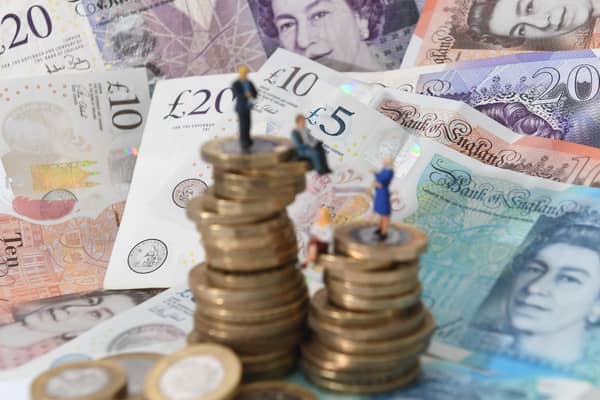
POWER companies could be threatened with a profits tax if they refuse to give back some of their earnings to subsidise fuel-poverty schemes.

ScottishPower bosses are to meet ministers and Treasury officials this week to discuss contributions to a fuel-poverty fund, plans for which are being drawn up by the Chancellor, Alistair Darling, for his 12 March Budget.
Mr Darling believes the scheme is vital to help 4.5 million hard-up pensioners and families facing difficulty paying their bills following 15 per cent-plus price rises.
Mr Darling's deputy, Yvette Cooper, energy minister Malcolm Wicks and officials from 10 and 11 Downing Street are meeting the heads of all the big energy companies in a bid to raise cash for the fund through a voluntary levy.
ScottishPower indicated it was sympathetic to the proposal, telling The Scotsman: "We are committed to working with the government to alleviate fuel poverty."
Treasury chief secretary Ms Cooper, Mr Wicks and officials have already met Scottish and Southern Energy, the UK's second-largest power provider, and Npower, the fourth-biggest, in recent days. This week, they will meet ScottishPower, Centrica (the owner of British Gas), E.On and EDF Energy.
Although Mr Darling is not currently proposing a second windfall tax on power-company profits, it does remain an option of last resort, with many Labour MPs supporting the idea.
But the Chancellor said he hoped companies would be prepared to assist the less well-off as their profits had increased and prices had risen by more than 10 per cent.
ScottishPower's parent company, Iberdrola, made £565 million in the final three months of last year but the firm still announced a 15 per cent price rise, making its average bill £1,100 a year for a household to which it supplies gas and electricity.
British Gas bills have gone up 15 per cent, EDF 11 per cent and Eon and Npower 16 per cent. As a result of the price rises, the number of people suffering fuel poverty – defined as spending more than 10 per cent of their disposable income on energy – has risen from four million last year to 4.5 million.
Mr Darling's proposal would be aimed at helping those in most difficulty to pay soaring gas and electricity household bills.
Ministers are understood to be angry that it is the government, not utility companies, which are being blamed for the rises.
The government is under pressure from Labour MPs, unions and campaign groups to tackle the "obscene" power-utility profits.
Some Labour MPs have tabled an amendment to the Energy Bill to give the government the power to force power companies to run lower-priced "social tariffs" for the less well-off.
Tory shadow secretary of state for business, enterprise and regulatory reform, Alan Duncan said: "Lynch mob objections can win headlines and then a few years later the lights go out. Prices must reflect global markets, and we are far more competitive than anyone else in Europe. Beware of politicians seeking cheap headlines."
But Allan Asher, of Energywatch, said: "They have left it far too late. Companies have been abusing consumers for too long while the government stuck its head in the sand."
The full article contains 547 words and appears in The Scotsman newspaper.
-
Last Updated:
03 March 2008 11:01 AM
-
Source:
The Scotsman
-
Location:
Edinburgh
-
Related Topics:
Fuel prices