





ELEVEN days ago, residents of Kenya's biggest slum joined long, snaking queues to cast their ballots in the east African country's presidential polls.

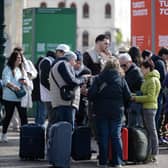
After an explosion of violence following opposition claims the outcome was rigged, those unfortunate enough to live in Kibera are now queuing for food.
"Is this what you call aid – we don't want your dirty water?" one man in an angry crowd shouted
at police sitting on an armoured car mounted with water cannon.
Security forces were back in Kibera – one of Africa's biggest shanty towns, with an estimated 800,000 residents – on the lookout for ethnic clashes that have convulsed Nairobi's tribally polarised slums.
But now the focus is on food. Thousands of people gathered as two local Red Cross vehicles arrived to deliver aid – but then left without off-loading, overwhelmed by the numbers.
"We have come to get our food but now they are refusing us," said a furious David Majengo, pointing at the Red Cross staff as they departed. "All we have eaten for days is tear gas."
Resident Shelef Ndar, shouted: "We are hungry and angry; we will soon begin to eat dogs."
The anger in Kibera was yesterday being reflected across the country, with many Kenyans and outside observers still in disbelief as to how one of Africa's most stable and relatively prosperous countries has lurched towards a humanitarian crisis in less than a week.
A UN official in Nairobi estimated that up to 500,000 Kenyans, mainly in the rural western areas, were in urgent need of food aid. The International Committee of the Red Cross issued an urgent appeal for more than £7m of aid.
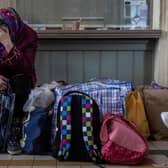
Some have been housed in makeshift camps while others have sought refuge in police stations or churches, fleeing violence that has claimed 350 lives. Several children have died of exposure.
The UN World Food Programme said it was struggling to get food to 100,000 hungry people forced to flee their homes in the Rift Valley area, citing the main problem as getting trucks into the area.
In the Rift Valley town of Eldoret – where at least 30 people were burned to death in a church last week – 30,000 local people have been displaced. Some 10,000 people there are seeking refuge in the the Catholic church, which is now spearheading local relief efforts.
The wave of violence began last week after the officially declared results of the December 27 presidential poll gave victory to incumbent President Mwai Kibaki over opposition rival Raila Odinga.
Protesters furious at alleged electoral fraud went on the rampage, killing scores of people and torching churches, businesses and homes.
Yesterday, despite minor clashes in the port city of Mombasa, there were hopes the worst of the violence was over as Kibaki signalled he was ready to form a government of national unity, ending a week of political stalemate.
"The president said he was ready to form a government of national unity that would not only unite Kenyans but would also help in the healing and reconciliation process," said a statement from Kibaki's office.
It was issued after he met Washington's top diplomat for Africa, Jendayi Frazer, sent to Nairobi by President George Bush to try to end the crisis.
The full article contains 549 words and appears in Scotland On Sunday newspaper.