









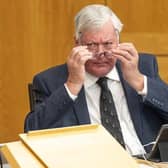

THE "war on terror" lost a staunch ally yesterday, when Pervez Musharraf resigned as president of Pakistan to avoid a looming battle to impeach him.

The mood in the country was jubilant, with crowds dancing in the streets of Lahore and chanting "Musharraf out!", a refrain heard often in recent weeks.
However, the former dictator's departure has sparked fears that Pakistan's next leader may not
forge such close partnerships with the United States in the fight against terrorism.
Many are concerned that Pakistan's weak and fractured coalition, which won elections in February, is not up to the task of tackling a mounting Islamic insurgency, centred in its largely lawless tribal areas.
If, as analysts suspect, the coalition splits, former prime minister Nawaz Sharif's PML-N party, currently the second biggest, looks likely to emerge as the victor, thanks to support from the PML-Q party formed by Mr Musharraf when he toppled Mr Sharif nine years ago.
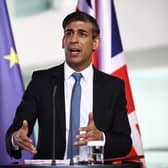
Mr Sharif said he was intent on quashing militancy but suggested he would seek to lower the profile of the US in Pakistan, perhaps mindful of the fact many Pakistanis blame rising violence in their country on the close alliance Mr Musharraf formed with the Bush administration. "We are not opposed to the Americans and I know they have their own fears, but any policy devised to deal with these issues should not be perceived as an American issue," he said.
Mr Musharraf seized power in a bloodless 1999 coup but since February has been sidelined by the democratically elected government. Leaders of the coalition said on 8 August they would seek to impeach him for imposing a state of emergency last November, sacking judges and other alleged crimes, including violation of the constitution and gross misconduct.
In a sometimes emotional televised address, Mr Musharraf announced he was quitting "in the best interests of the nation".
Condoleezza Rice, the US secretary of state, praised him as a "friend to the United States and one of the world's most committed partners in the war against terrorism and extremism".
PROFILEPERVEZ Musharraf will be remembered as a stalwart ally in the United States-led "war on terror" and, subsequently, turning his government into the biggest recipient of US aid after Afghanistan.
A decorated army chief when he seized power in 1999, Mr Musharraf also succeeded in building bridges with neighbouring India, initiating a ceasefire along the border between the nuclear-armed rivals in 2003. On the vexed issue of Kashmir, even Indian defence analysts, normally quick to criticise Pakistan, admit he made great strides, although nothing was resolved.
Critics believe, however, that the eventual direction his anti-militancy campaign took, in particular a bloody siege last year of Islamabad's radical Red Mosque, in which 105 were killed, fuelled Taleban insurgency.
The full article contains 478 words and appears in The Scotsman newspaper.