






THE Virgin boss Sir Richard Branson hailed a "historic" and "pioneering" milestone for air travel yesterday, one intended to underline his credentials as the greenest of entrepreneurs.

Two years after he dramatically pledged to invest the entire p
rofits of his air and rail interests in fighting climate change, through developing renewable energy technologies, a Virgin Atlantic 747 flew from London to Amsterdam using fuel made with nuts from the Amazon.
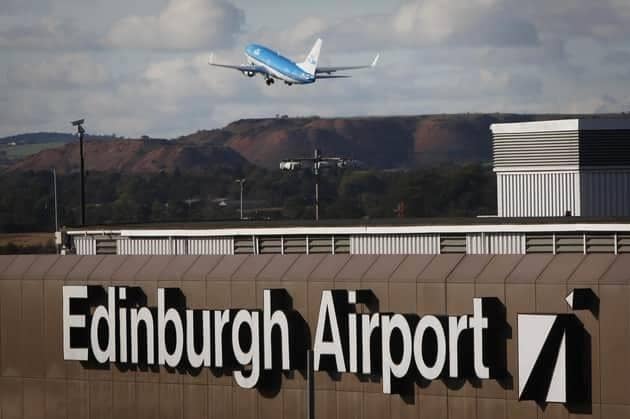
The Boeing jet was the first commercial aircraft to be powered, if only partly, by biofuel. One of its four main fuel tanks carried a 20 per cent mix of coconut and babassu oil mixed with conventional jet fuel. It was, Sir Richard declared, "a biofuel breakthrough for the whole airline industry".
"This pioneering flight will enable those of us who are serious about reducing our carbon emissions to go on developing the fuels of the future, fuels which will power our aircraft in the years ahead through sustainable next-generation oils, such as algae," he said.
But the reaction of major environmental groups was swift and brutal.
"A Virgin publicity stunt with dangerous consequences for the planet," said Pete Hardstaff, a head of policy at the World Development Movement.
Greenpeace called it "high altitude greenwash", while a Friends of the Earth official dismissed biofuels as "a major distraction in the fight against climate change".
So can an airline boss ever be green, when campaigners have singled out flying as the biggest growth area for global warming? Can the promise of "second generation" biofuels, possibly from algae, survive the growing backlash over the effects of corn, sugarcane or palm oils on sensitive environments, or on food prices?
"There is mounting evidence that the carbon savings from biofuels are negligible," said Kenneth Richter, the Friends of the Earth aviation campaigner.
A spokesman for Sir Richard said he was "very disappointed" by the reactions and urged environmentalists to "think a little more carefully".
In September 2006, Sir Richard joined arch-environmentalist Al Gore and his former boss Bill Clinton at the top table of a New York global summit. He pledged that Virgin's air and rail profits would go to combat climate change with investment in alternative energy through Virgin Fuels.
The flight yesterday was launched in partnership with Boeing, engine maker General Electric and the Seattle bio-fuel maker Imperium Renewables. The engines and aircraft needed no modification. The test flight used 22,000kg of fuel, including 5,500kg of biofuel blend, 20 per cent of which was created from the oils. That meant only 5 per cent was actually biofuel – enough to fly the plane about 20 miles, it was calculated yesterday. GE said its engines could eventually run on 40 per cent biofuel.
Since Sir Richard's 2006 pledge, however, biofuels' popularity has slumped. Environmentalists argue the fuels do not lower emissions in themselves, once refining, production and transport costs are taken into account, although the crops grown to produce the fuels do absorb .
The UK government has launched a study of the fuels' environmental and economic impact, such as the impact on forests of spreading palm oil plantations.
The Virgin flight's biofuel was made from babassu nut oil from rain forests and coconut from plantations – used in everyday cosmetics like lip balm and shaving cream, Sir Richard said. They were "completely environmentally and socially sustainable" – something again challenged by Greenpeace as unproven.
Virgin says commercial biofuel flights are more likely to use algae oil, perhaps made in sewage plants, in a three-to-six year time frame. "What we are using today isn't going to be the fuel that we are using when we come to commercial use," Sir Richard said. It was just about showing a different fuel would work.
Marlin Dailey, Boeing's vice-president of sales for Europe, Russia and Central Asia, backed Branson up, saying: "Innovation and technologies are essential to proving the feasibility of renewable, alternative fuel sources."
This year, an Air New Zealand 747 will also make a biofuel test flight, similar to Virgin's, again with no passengers. Its research is focused on fuels from an oilseed crop, jatropha, a woody plant that can grow on marginal land, and algae.
A New Zealand firm already produces algae-based biodiesel for land vehicles.
Airlines generate only 2.3 per cent of carbon emissions, said Jeff Gazzard, of the Aviation Environment Federation. Virgin says it is less than 2 per cent. Some estimates say that figure could rise to 15 per cent by 2015 if other sectors cut back.
"This is a proving flight, that you can make a substance that mimics kerosene and an engine will run on it," Mr Gazzard said.
"That's what they have proved.
"This is about making people feeling less guilty about flying and feeling green when they fly with Virgin Atlantic."
The full article contains 819 words and appears in The Scotsman newspaper.