











Published Date:
01 May 2008
By BRIAN FERGUSON AND MARTYN MCLAUGHLIN
SCOTLAND is running the risk of complacency about the threat of terrorism and the prospect of new generations of suicide bombers being reared in its communities, an expert warned yesterday.

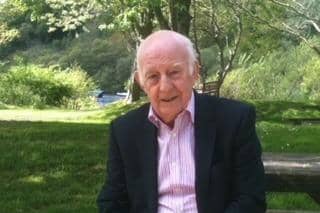
Professor Paul Wilkinson, of St Andrews University, told The Scotsman much more work was needed on a range of fronts to curb the growth of radicalism and the influence of extremists.
He said there was a real risk of another attack unless there was greater vigilance from the public, more co-operation between the judiciary and government, and better efforts by the police to engage with communities at "grassroots" level.
Speaking ahead of a conference on terrorism in Glasgow, he predicted new anti-terror laws would not work unless the authorities gained the trust of community and religious leaders, and were able to identify early those who were "vulnerable" to being groomed as terrorists.
Mr Wilkinson said the amount of attention devoted to the Glasgow Airport "heroes" and the political storm about the time suspects should be held without being charged were "distractions" from the need to monitor terrorist networks.
He said: "If people had been sceptical about the risks of a terrorist attack, we had overwhelming evidence last summer that there is a serious problem.
"We've since seen growing evidence in court cases of the levels of radicalisation around the country. There is still a risk of complacency in Scotland and there needs to be much more of an emphasis on preventing any future incidents. The amount of attention focused on the airport heroes has been unfortunate and a distraction from the real issues. People need to be vigilant and realise the risk of terrorism does not end at Hadrian's Wall."
Prof Wilkinson said it was vital to have better dialogue between the police, security services, the government and the judiciary, with communities, employers and organisations, educationalists and religious leaders. He argued for community-level prevention strategies. "That's the way forward, or we'll have generations of self-styled martyrs," he said.
A spokesman for the Association of Chief Police Officers in Scotland said: "We all need to be vigilant and ensure the co-operation and participation of all Scotland's communities, institutions and businesses.
"A great deal of work is going on to achieve that and make sure Scotland is as safe as possible from terrorism."
Osama Saeed, spokesman for the Scottish-Islamic Foundation, declined to comment on whether Muslim communities were comfortable with the drive by police and security services to root out radicals. He said Scotland's Muslims were trying to co-operate, but there was no evidence of radicalisation.
SUMMIT ON EVE OF AIRPORT ATTACK ANNIVERSARY
LAST June's attack on Glasgow Airport came 24 hours after two cars carrying petrol and gas canisters were found in central London. Two men will stand trial later this year accused of conspiracy to cause explosions.
An appeal is being planned by Mohammed Atif Siddique, the first Scot convicted of al-Qaeda-inspired terrorist offences. The student was jailed for eight years last year.
Professor Wilkinson, who chairs the advisory board of the centre for the study of terrorism and political violence at St Andrews, will be one of the keynote speakers at a major terrorism summit to be held on the eve of the first anniversary of the airport attack.
He will be joined by Britain's new counter-terrorism chief, Charles Farr, and Ed Husain, , whose best-selling book, The Islamist, told of his involvement in a number of radical groups while growing up in east London. Brian Sweeney, of Strathclyde Fire and Rescue, will provide an insight into the airport attack.
The full article contains 610 words and appears in The Scotsman newspaper.
-
Last Updated:
01 May 2008 8:45 AM
-
Source:
The Scotsman
-
Location:
Edinburgh
-
Related Topics:
Terrorism in the UK