











Help Sitemap Home Skip Navigation Contact Us Disability Statement


Bionic eye helps blind man see again

Click on thumbnail to view image

Published Date: 04 March 2009
AN experimental bionic eye has restored sight to a British man who went blind 30 years ago, it was revealed today.

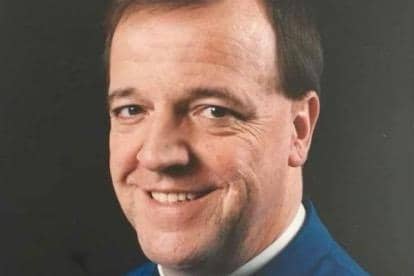
Ron, aged 73, who does not want to reveal his surname, can now see flashes of light, follow white lines on the road, and sort grey and black socks.

The Argus II device uses a miniature camera mounted on glasses to transmit images to the back of th
e eye.

Here, an "artificial retina" consisting of an array of electrodes sends messages along the optic nerve to the brain.

The bionic eye, developed by US company Second Sight, is being tested in patient trials around the world.

So far 18 patients have undergone the surgery. Ron was one of three patients to have the device fitted at London's Moorfields Eye Hospital.

Seven months later his life is being transformed as he gradually learns how to use the artificial eye.

He told the BBC: "They said let there be light and there was light. For 30 years I've seen absolutely nothing at all, it's all been black – but now light is coming through.

"It gives me grades of bright light to black and anything in between. I can actually sort out white socks, grey socks and black socks.

"Its a great privilege and an honour I think to be able to take part in an experiment such as this hoping that the outcome is going to be able to bring sight to people like myself that are completely blind."

Ron lost his sight in his forties due to the hereditary eye disorder retinitis pigmentosa, which causes progressive loss of vision.

Consultant ophthalmic surgeon Lyndon da Cruz, who carried out his operation, said the bionic eye was a huge step forward.

He said: "We are very encouraged by the trial's progress so far. The implants have been stable and functioning for six months, with consistent visual perceptions generated by the device.

"The trial remains inspiring in terms of presenting a very real and tangible step forward in treating patients with total vision loss. But with more than two years of the trial left to run, these are early days and continued testing will be crucial in determining the success of the new technology."

Gregoire Cosendai, from Second Sight, said the technology had to be improved but within 50 years it should be possible for people like Ron to read.

"Theoretically...people should be able to have reasonably good level of vision," he said.

Ron's progress is featured on an Inside Out documentary to be screened on BBC1 tonight.


Page 1 of 1

  • Last Updated: 04 March 2009 2:28 PM
  • Source: The Scotsman
  • Location: Edinburgh


Sister Newspapers:
Press Complaints Commission

This website and its associated newspaper adheres to the Press Complaints Commission’s Code of Practice. If you have a complaint about editorial content which relates to inaccuracy or intrusion, then contact the Editor by clicking here.

If you remain dissatisfied with the response provided then you can contact the PCC by clicking here.